What Changed: The New U.S. Social Media Screening Requirement
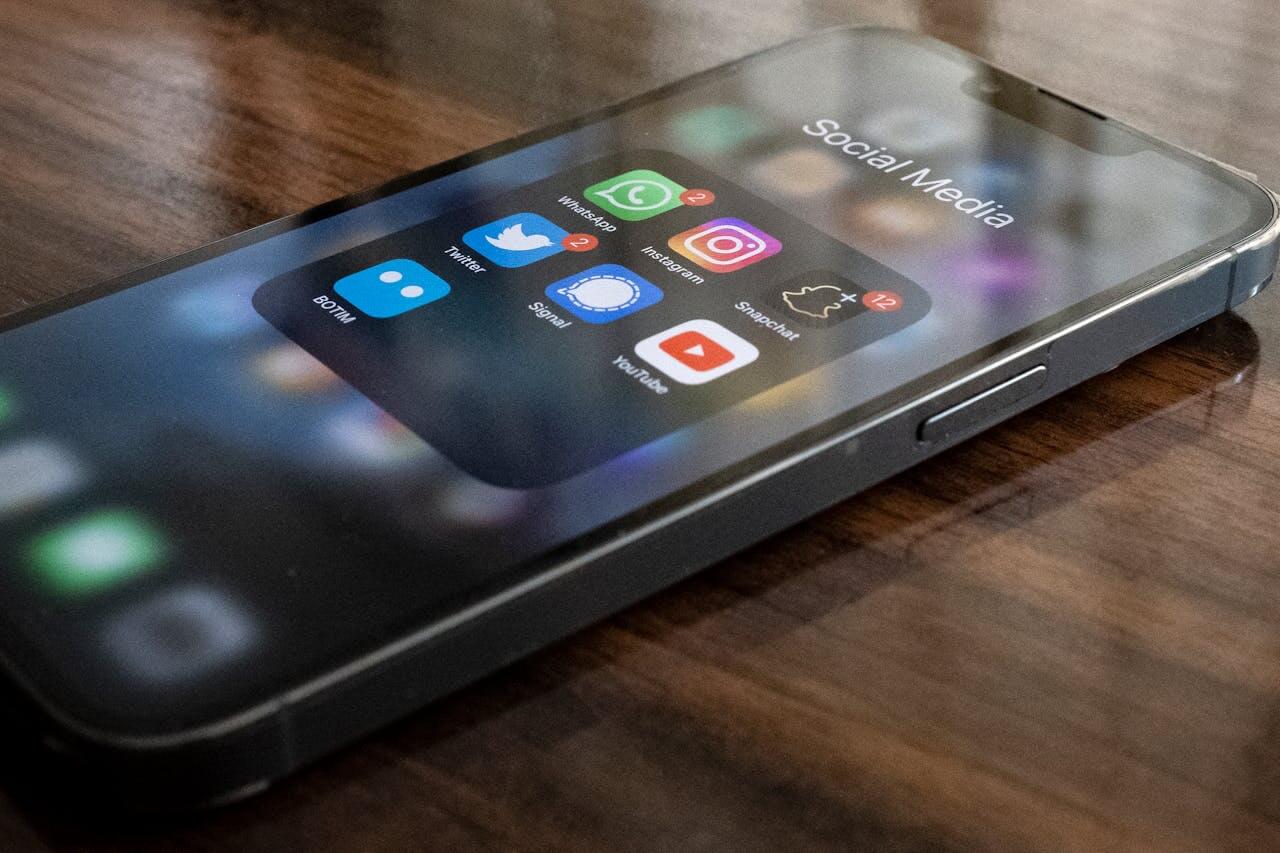
The United States is introducing a requirement that visitors submit five years of social media history to the Department of Homeland Security before entry. The requirement would apply to citizens of countries in the Visa Waiver Program – the 42 nations, including Canada, whose citizens can currently travel to the U.S. without a visa.
The legal basis is an Executive Order signed by President Donald Trump in January, with a stated purpose of protecting U.S. citizens against individuals who “would engage in acts of terror, threats to national security, and espouse hateful rhetoric and volatility and aggression against the United States, including its culture and its citizens.”
The newness here is significant. As Steven explained on CBC Metro Morning:
“This is new in the sense that it will affect citizens of visa waiver countries, which are traditionally countries that have long-established relationships with the United States, both politically, economically, and they share interests. The newness of this is largely that it seems that the U.S. is indicating a lack of trust, certainly higher scrutiny, even with countries that traditionally have had very positive relationships with.”
How U.S. Social Media Screening Would Actually Work
A system for collecting social media information already exists for travelers from countries that require visas. What is changing is that it would now extend to visa waiver countries and the mechanics of how it would be implemented raise serious practical questions.
“Exactly how reviewing people’s social media history does that is certainly a question. It’s not clear by the proposal that’s in the Federal Register exactly how they’re going to review social media. It’s a very labor-intensive thing. I’m sure that they will deploy AI, but there is already a lot of demand on CBP officers and the Department of Homeland Security in terms of having the personnel to go through these things.”
Wait times are likely to increase. Currently, travelers from visa waiver countries typically receive ESTA approval within 24 hours. Under the new system, that window would extend as officers review submitted social media.
“The language is rather broad in terms of what would be considered a threat. And I think that this gives a lot of applicants for visa waivers pause because there’s a lot of uncertainty as to what exactly this will bring.”
Social Media Screening vs. Border Phone Search: What Is the Difference?
Many Canadians are aware that border officers can look through your phone when you arrive at a port of entry. This process is different, and the distinction matters.
“At the port of entry, officers are not permitted to access the network to access the cloud on your devices. CBP officers have the right to search all of your electronic devices, but the difference at the border is that they’re restricted to looking at what’s locally on your phone. This process happens before you get to the port of entry, where you submit your information voluntarily before you get to the port of entry. And that gives them an extended period of time to go through your social media.”
Does the U.S. Social Media Requirement Affect Canadian Citizens?
For Canadian passport holders, the change may be less immediate. But many people living in Canada are not Canadian citizens, and that distinction matters here.
“For Canadian citizens, it probably is not going to be much of a change. But we have to remember that Canada is a country with lots of immigrants and a lot of Canadian residents are not Canadian citizens. And if you don’t have a Canadian passport, you are going to be subject potentially to submitting an ESTA or applying for a visa to enter the United States. And that’s where the higher level of scrutiny comes in.”
Should You Delete Social Media Before Traveling to the U.S.?
Should you delete your social media before traveling? Should you wipe your phone? These are questions Steven hears regularly.
“What I do tell clients is make sure that you distinguish fact from opinion. Know what the actual rules are as opposed to simply what pontificators are saying about it. Also, if you have something in your history, know that the United States is increasing their scrutiny on applicants. Be sure to seek legal counsel if you think that there is something in your history that would raise scrutiny of the United States government.”
And on how to present yourself at the border:
“What is important is that you present yourself as truthfully as possible. Remember that CBP officers are people, and they have a lot of discretion, and that discretion can work either for or against your favor.”
Questions About Your U.S. Travel or Immigration Status?
If your work or immigration status in the United States is tied to a visa or work authorization, the social media screening policy may affect your situation directly. If you are navigating a visa refusal, holding a cross-border work permit, or simply uncertain about how these changes affect you, speaking with a lawyer is the right first step.
Our team of immigration lawyers in Toronto advises on both Canadian and U.S. immigration matters. Fill out our immigration questionnaire or call us at (416) 646-3523.